Wallnora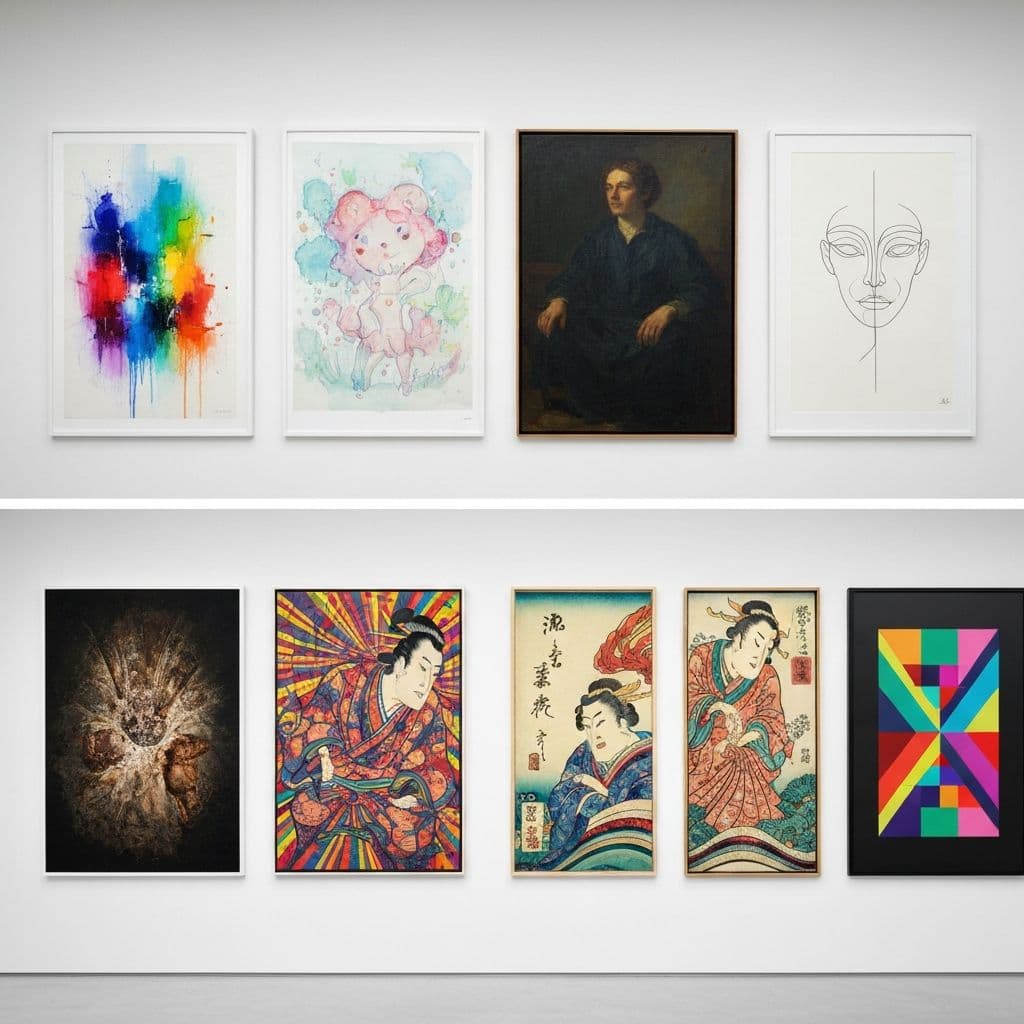
Artificial intelligence has fundamentally changed the way we think about wall art. What once required commissioning an artist, browsing galleries for weeks, or settling for mass-produced prints can now be done in minutes — with results that are genuinely stunning. But with this new creative power comes a new challenge: which AI art style actually looks good on your walls?
The answer depends almost entirely on your interior design style, the mood you want to create, and the room where the art will live. A piece that looks incredible in a minimalist Scandinavian living room might look completely out of place in a cozy farmhouse kitchen. In this guide, we’ll walk through the eight most popular AI-generated art styles for home decor, explain which interior themes they complement, and share tips for making each style work in your space.
1. Minimalist Line Art
Minimalist line art is one of the most versatile and popular styles in AI-generated wall art. Characterized by clean, continuous lines, minimal detail, and generous negative space, this style creates a sense of calm sophistication that works in almost any room. Think single-line portraits, abstract botanical sketches, or flowing organic shapes rendered with elegant simplicity.
Best for: Scandinavian, Japandi, and contemporary minimalist interiors. Line art thrives in rooms with neutral color palettes, clean furniture lines, and plenty of natural light. It’s particularly effective in bedrooms, home offices, and entryways where you want art that adds personality without visual noise.
Color tips: Stick to monochrome — black lines on white, or soft grays on cream. For a warmer variation, try terracotta or dusty rose lines on an off-white background. Avoid overly bright colors, which undermine the minimalist aesthetic. Frame in slim black or natural wood for the cleanest look.
Sizing recommendation: Medium to large (24 x 36 inches or larger). Minimalist art needs space to breathe, so don’t be afraid to go big. The generous negative space within the artwork means it won’t overwhelm the room even at larger sizes. For detailed sizing advice for every room, see our complete wall art sizing guide.
2. Abstract Modern Art
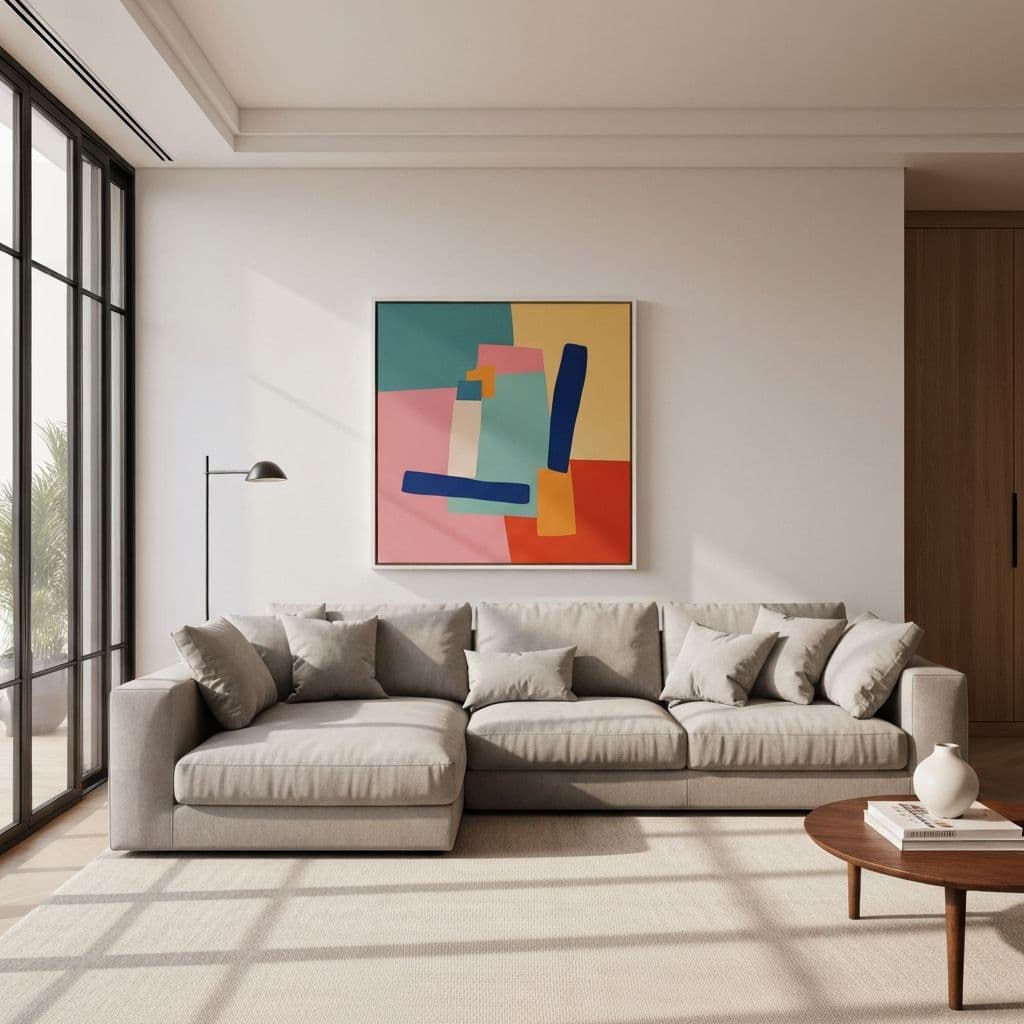
Abstract art has been a staple of interior design for decades, and AI tools have made it more accessible than ever. AI-generated abstract pieces can range from bold geometric compositions with sharp angles and primary colors to soft, flowing organic forms in muted earth tones. The beauty of abstract art is its emotional ambiguity — it invites interpretation and conversation.
Best for: Modern and contemporary living rooms, open-plan spaces, and anywhere you want to create a focal point. Abstract art works exceptionally well as oversized statement pieces above sofas or on large blank walls. The style pairs naturally with mid-century modern furniture, glass and steel accents, and monochromatic color schemes.
Color tips: Match one or two colors in the artwork to existing elements in the room — a throw pillow, rug, or accent chair. This creates a cohesive palette without being too matchy. For bold interiors, embrace high-contrast primaries. For calmer spaces, opt for muted pastels, sage greens, or warm neutrals.
Pro tip: Abstract art has the most visual impact at larger sizes. A 48 x 36 inch or even 60 x 40 inch piece above a sofa can completely transform a living room. Don’t shrink it — abstract art loses its power when it’s too small.
3. Vintage Oil Painting Style
AI-generated art in the style of classical oil paintings is perhaps the most remarkable achievement of modern AI image generation. These pieces emulate the rich textures, warm color palettes, and dramatic lighting of old masters — think Dutch Golden Age still lifes, romantic landscapes, or moody portraits with chiaroscuro lighting. The results can be strikingly realistic, with visible brushstroke textures and the warm patina of aged varnish.
Best for: French country, traditional, English cottage, and maximalist interiors. Oil painting style art adds instant warmth, sophistication, and a sense of history to any room. It works beautifully in dining rooms, libraries, living rooms with dark wood furniture, and bedrooms with rich textiles. This style is also perfect for creating the trendy “dark academia” or “old money” aesthetic.
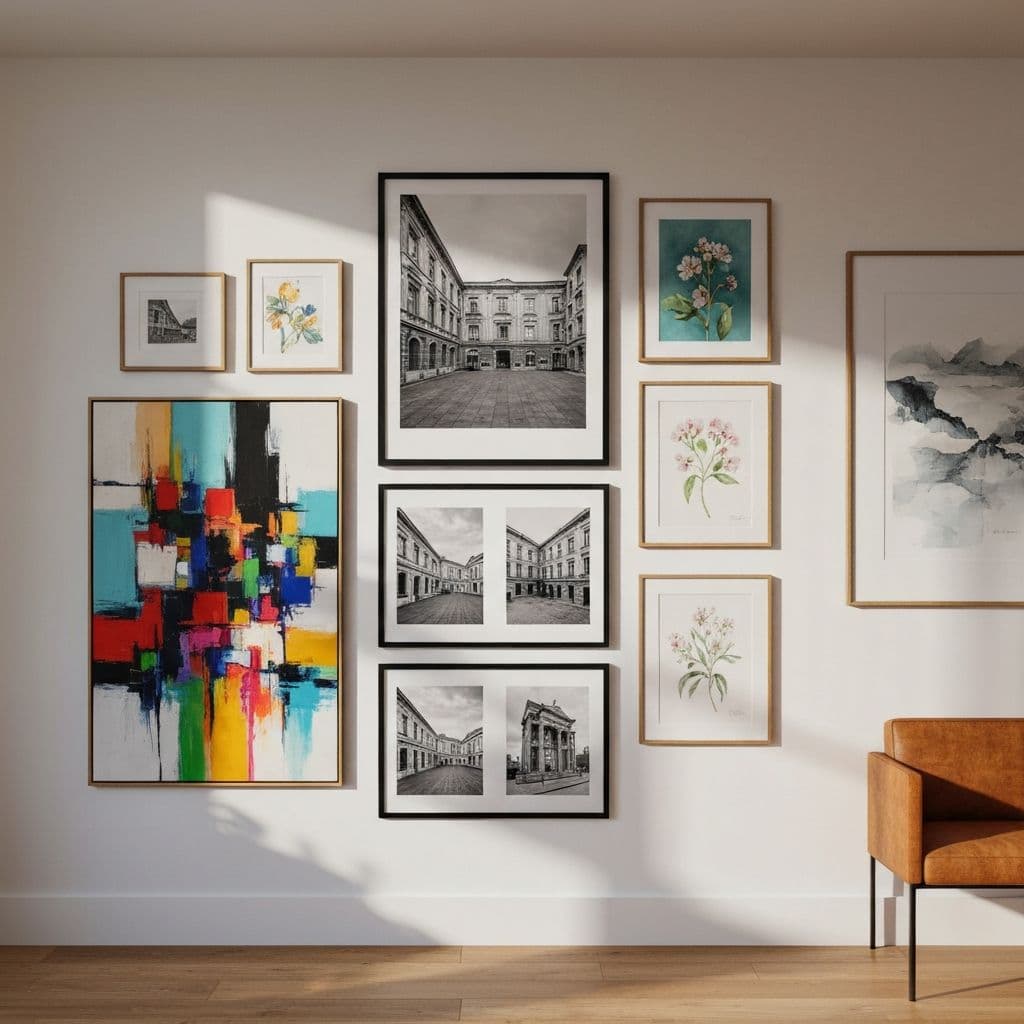
Color tips: Lean into deep, warm tones — burgundy, forest green, gold, burnt umber, and cream. These colors complement the inherent warmth of the oil painting style. Frame in ornate gold or antique-effect frames for maximum authenticity. A gallery wall of varied-size oil painting-style pieces creates a stunning collected-over-time look.
Trending: The “moody landscape” sub-genre — dark, atmospheric scenes of misty forests, stormy seas, or twilight fields — is hugely popular right now. These pieces bring drama and depth to neutral rooms.
4. Botanical & Nature-Inspired Art
Botanical art has a timeless appeal that transcends trends. AI-generated botanical pieces can range from scientific illustration-style plant studies to loose, watercolor-inspired floral compositions to photorealistic close-ups of leaves and petals. Nature-inspired art brings the outdoors in and creates a sense of freshness and vitality.
Best for: Bedrooms, bathrooms, entryways, and any room where you want to create a calming, nature-connected atmosphere. Botanical art works across many interior styles — from modern minimalist (think single monstera leaf on white) to cottagecore (wildflower meadow watercolors) to tropical maximalist (lush jungle scenes).
Color tips: Green is the star here, but the shade matters. Deep emerald and forest green feel luxurious and dramatic. Sage and eucalyptus green feel calming and modern. Pair with warm woods and natural textures like linen, rattan, and jute. For a more romantic look, incorporate soft pinks, lavenders, and creams through floral compositions.
Display idea: A set of three matching botanical prints (different plants, same style) arranged horizontally above a bed or sofa creates a cohesive, spa-like feel. Use identical frames for a polished look.
5. Mid-Century Modern Poster Style
Inspired by the graphic design aesthetic of the 1950s and 60s, mid-century modern poster art features bold geometric shapes, limited color palettes, clean typography, and flat, stylized illustrations. Think retro travel posters, Bauhaus-inspired compositions, and abstract geometric patterns in avocado green, mustard yellow, burnt orange, and teal.
Best for: Mid-century modern interiors (obviously), but also retro-inspired spaces, home offices, and playful kitchens. This style works wonderfully alongside furniture from designers like Eames, Saarinen, and Noguchi. It’s also surprisingly versatile in contemporary spaces that need a pop of personality and color.
Color tips: The classic mid-century palette includes mustard, olive, burnt orange, teal, and cream. These warm, earthy tones pair beautifully with walnut and teak wood furniture. For a more updated take, try muted versions of these colors or introduce dusty pink as an accent.
Sizing tip: Mid-century poster art typically looks best at standard poster sizes — 18 x 24 or 24 x 36 inches. The graphic nature of the style doesn’t require oversized dimensions to make an impact.
6. Boho Earth Tone Art
Bohemian-inspired art embraces warm earth tones, organic textures, and a handcrafted aesthetic. AI-generated boho art might include abstract landscapes in terracotta and sand, sun and moon motifs, textured geometric patterns reminiscent of woven textiles, or dreamy desert scenes in warm neutrals. The key is a sense of warmth, texture, and creative freedom.
Best for: Bohemian, eclectic, and “collected” interiors. Boho art is perfect for bedrooms, living rooms with layered textiles, and any space with rattan furniture, macramé, or dried flower arrangements. It complements natural materials and creates a cozy, lived-in atmosphere.
Color tips: Build around earth tones — terracotta, ochre, sienna, sand, warm taupe, and cream. Add depth with dusty rose, sage green, or deep rust. The key is warmth; avoid cool grays and blues, which clash with the bohemian aesthetic. Frame in natural wood or leave unframed for a casual, artistic look.
Display idea: Mix boho art with other wall decor elements like woven baskets, small mirrors, and dried botanicals for a rich, layered gallery wall that tells a story.
7. Black & White Photography Style
AI-generated black and white photography-style art brings timeless elegance to any interior. These pieces can emulate fine art photography — architectural details, dramatic landscapes, abstract shadows, urban scenes, or studio-quality portraits — all without the cost of commissioning a photographer. The monochromatic palette ensures these pieces work in virtually any color scheme.
Best for: Modern, industrial, and transitional interiors. Black and white art is the ultimate versatile choice because it never clashes with existing decor. It’s especially striking in bathrooms (think architectural prints above the tub), home offices, and living rooms with colorful furnishings where you want the art to provide contrast rather than competition.
Color tips: Since the art itself is monochrome, the frame becomes a design choice. Black frames add graphic punch. White frames soften the look and work well in lighter rooms. Unmatted and unframed (canvas gallery wrap) creates a contemporary gallery feel.
Pro tip: A series of three or four black and white pieces in a horizontal line creates a powerful, gallery-like statement. Keep subjects related (all architecture, all nature, all abstract) for visual cohesion.
8. Textured Canvas / Impasto Style
Impasto art — characterized by thick, visible brushstrokes that seem to leap off the canvas — is one of the hottest trends in home decor right now. AI can generate remarkably convincing impasto-style pieces with heavy texture, rich color layering, and the three-dimensional quality of real paint. These pieces add immediate tactile interest and artistic gravitas to any wall.
Best for: Contemporary, transitional, and art-collector-inspired interiors. Impasto art makes a statement in living rooms, dining rooms, and entryways. The texture and depth give it a presence that flatter styles can’t match. It pairs well with plush furnishings, stone surfaces, and spaces with interesting architectural features.
Color tips: Impasto art comes alive with rich, saturated colors — deep blues, vibrant greens, warm oranges, and creamy whites. Neutral impasto pieces (cream, beige, and white with visible texture) are also hugely popular for adding visual interest without adding color. Choose palette tones that echo your room’s accent colors for a pulled-together look.
Sizing tip: This style shines at larger sizes where the texture can be fully appreciated. Aim for 30 x 40 inches or larger. When printed on high-quality canvas, the impasto texture translates beautifully from screen to wall.
How to Match AI Art Styles to Interior Design Themes
Not sure which style fits your home? Here’s a quick reference guide matching popular interior design themes to their ideal AI art styles:
Modern / Contemporary: Abstract modern art, minimalist line art, black and white photography. Keep lines clean and colors restrained.
Farmhouse / Cottage: Botanical art, vintage oil painting style. Embrace warm tones, pastoral scenes, and classic framing.
Industrial / Urban: Black and white photography, abstract modern art. Use architectural subjects, concrete textures, and graphic compositions.
Scandinavian / Nordic: Minimalist line art, botanical art (monochrome). Keep everything light, simple, and restrained. Less is more.
Bohemian / Eclectic: Boho earth tone art, impasto texture. Layer different pieces and mix with non-art wall decor.
Mid-Century Modern: Mid-century poster style, abstract modern art. Bold graphics, warm retro colors, and clean geometry.
Traditional / Classic: Vintage oil painting, botanical illustration. Rich colors, ornate frames, and timeless subjects.
The beauty of AI-generated art is that you’re not limited to what’s available in stores. You can describe exactly the color palette, subject, and style you want and generate something perfectly tailored to your space. If you’re interested in turning AI wall art into a business, check out our guide to selling AI art on Etsy. Ready to try?